
This is the second of a two-part piece. If you have not read Part 1 you can find it here : What's in a Face - Part 1
Part 1 ends suggesting that the conversation about makeup could better progress from trying to box the culture in as either good or bad, to rather exploring conversations about how one can lay hold or let go of the practice at will.
But it’s still conceivable for anyone to wonder, “Why shillyshally with a culture that can potentially oppress your mind? Why not just simply cancel it? Well it turns out makeup is not always just some fancy, needless, superfluous, practice. There are times and places where makeup seems more functional than merely embellishing.
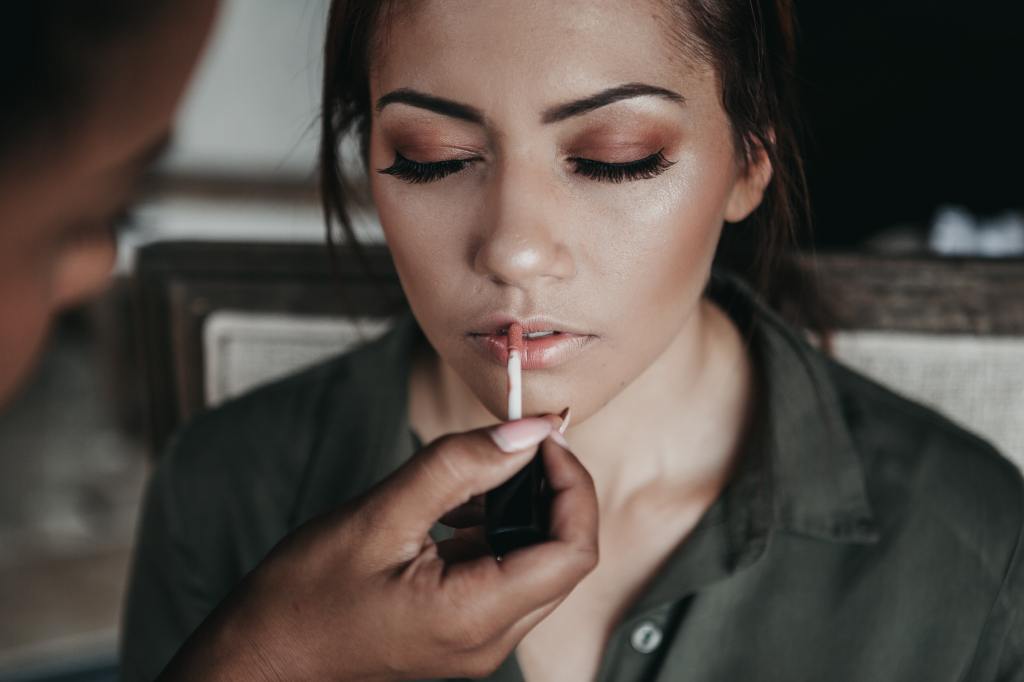
For example, we know faces on TV do look as fine as they do because they’re wearing makeup, (Both men and women). We are usually not distracted by their makeup, but we might be distracted by its absence. It would be as if something (the usual fine aesthetic touch) were missing. And if wearing makeup makes a person look great on TV, and you (the viewer) finds the whole package pleasant and acceptable, how do you draw the line when these people want to look as good in person as they do on TV? Even conservative televangelists do wear makeup before they show up in front of cameras to record sermons. It would appear that if they do permit the act in certain contexts, then logically, any issue they might have with makeup is not the mere wearing per se.
Faces at wedding ceremonies are also full of makeup from the bride to the crashers. You could make a case that a special once-in-a-lifetime (hopefully) occasion like this can reasonably permit some healthy extra special look just for the special occasion (especially for a bride). After all That seems to be the whole idea behind “preparing the bride”. Else, they could have just dressed nicely from home to the alter.
However, anyone who practices it and say “it’s just for the wedding” may have to keep in mind that every act displayed in the presence of a public audience constitutes, in some sense, a public argument for that act, without a fair opportunity to explain the context.
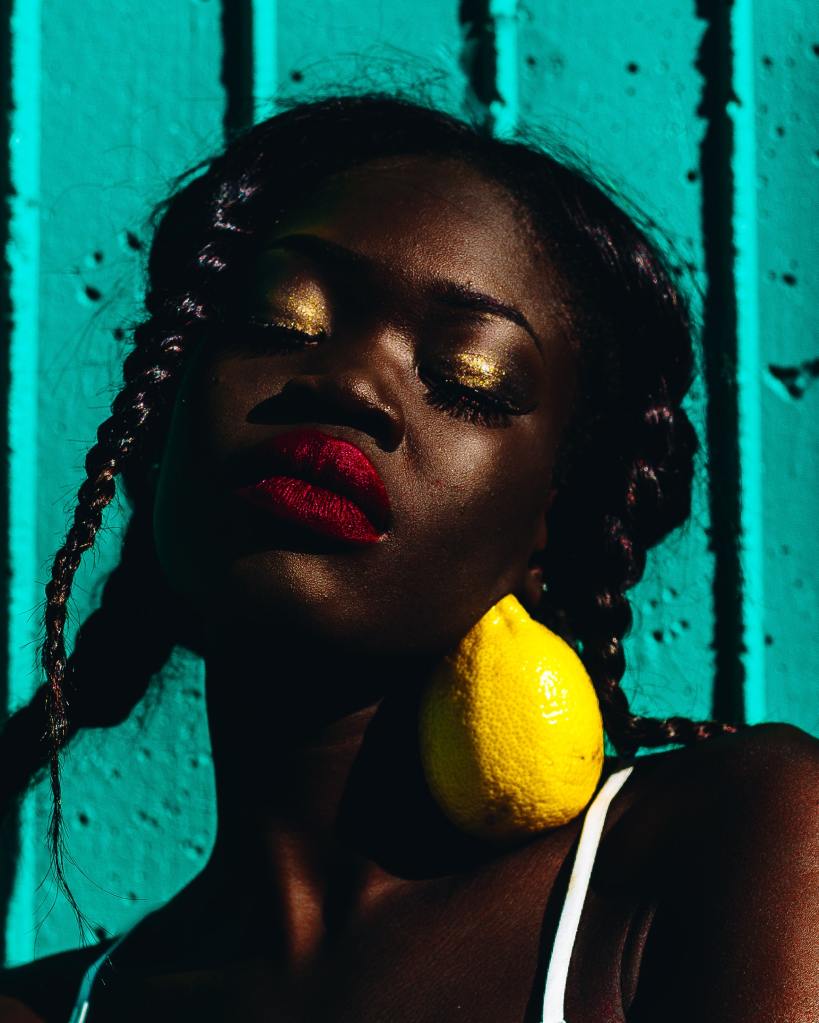
It also seems that the proclivity to adorn the face is a purely natural inclination. Your face is the place anyone looks first when they meet you, and the one place they look at the most for the rest of your life. People can even judge you right from there. So, it seems unsurprising for humans to be predisposed to want to find creative ways to make a face look more interesting. This might explain why the makeup culture has existed for thousands of years across cultures. Our curiosity and liking to do interesting things with our faces might also explain why mobile app facial filters became so popular and still is. There are people who will never take a photo to post online without a filter. And a mobile app filter is of course an instant electronic makeup for, and thanks to technology, it is evolving to become as good as real.
So considering that a wide range of groups practice makeup from slay queens to preachers on TV, and diverse reasons, could it then be that it’s about time we moved from fighting over whether using makeup is good or evil in itself, to what kind of healthy relationship individuals might have with the culture, in a way that does not corrupt their being or become toxic in their lives.
The Resistance
People who are against makeup have their reasons, and maybe they are not too far-fetched. There are scientific studies that have found that “anxiety, self-consciousness, and conformity” may be connected with the use of cosmetics. The same study found that “social confidence, emotional stability, self-esteem, physical attractiveness, and intellectual complexity do have a negative relationship with the use of cosmetics”.
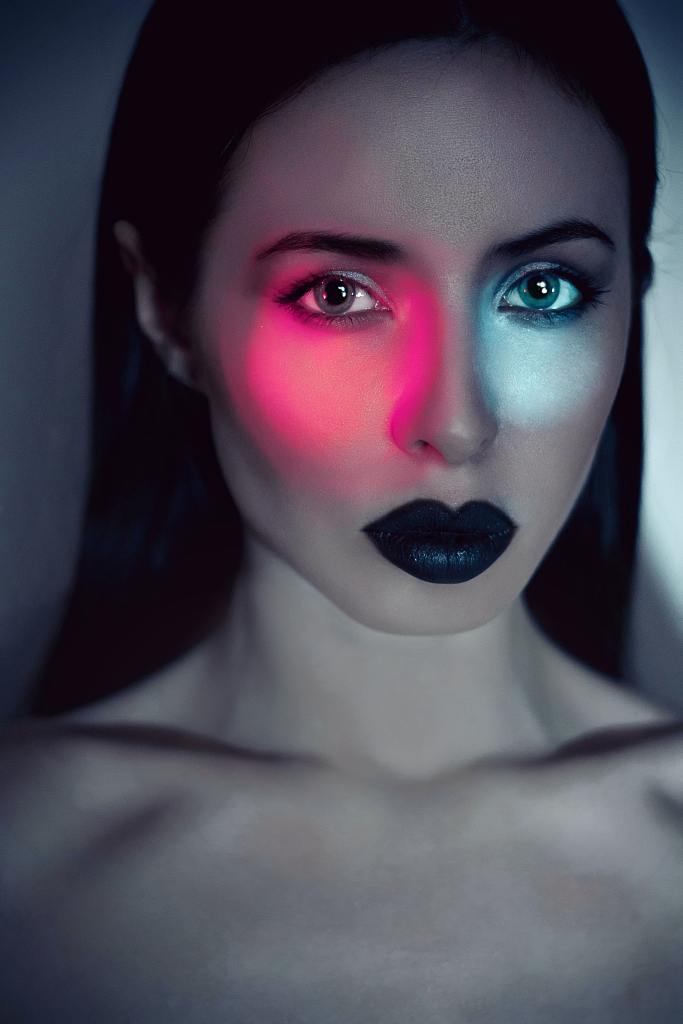
Some people have reported wearing makeup boosts their confidence. There are studies that suggest most women indeed feel that they are more physically attractive with makeup, but, according to the same study, these women often overestimate their attractiveness with makeup, while underestimating their attractiveness without makeup. This could mean that even their confidence in themselves might be shifting from their natural selves to their makeup “cover”, with less and less pure confidence in their own look. Other studies show some women in higher positions felt they were taken less seriously when they wore more makeup, and more seriously when they wore less make up. There is also a study that suggests that some women relied heavily on adornments as compensatory tools when they believed they were unattractive.
So there seem to be many enough studies that confirm the hypotheses suggested by the anecdotes of many women on YouTube who have resolved not to use make up as they used to. There are however other studies that show that women who wear makeup are perceived as more confident, healthier, more successful and have greater earning potential than women who do not wear makeup. But that’s only suggesting probability and it remains to be known how much that has to do with the cultural zeitgeist we’re in now as opposed to a pure absolute consequence of adorning the face. Top Cheats-Catching expert and British author, Rebecca Jane has said that ladies who don’t wear makeup come across as unprofessional and she would not hire a person not wearing makeup. Chimamanda Adichie, the Nigerian writer and famous feminist, promotes the makeup culture because she believes “feminism and femininity are not mutually exclusive”, and maybe this has served her well.
So, it does seem that the world outside (physical), to a certain degree, rewards makeup, however the world inside (psychological ) of the user somewhat ends up paying for it.

Many argue the makeup culture comes with a cost of subtle psychological “oppression” leading to less confidence in one’s natural self, but more confidence in one’s augmented look. There might be other costs too. Another study report has confirmed that beauty obsession does not only decrease the self-esteem it is meant to boost, it also empties the pockets of many users. Studies have shown that the average woman spends over $200,000 on beauty products in the course of her lifetime. The beauty industry appears (as suggested by some women vloggers) committed to exploiting the “psychological cost” of using makeup by convincing their “victims” that they have the solution to boost these women’s self-esteem. But they do this by offering them the same products they used to create the low self-esteem problem in the first place. This cycle only feeds the habit and amplifies the financial cost for users.
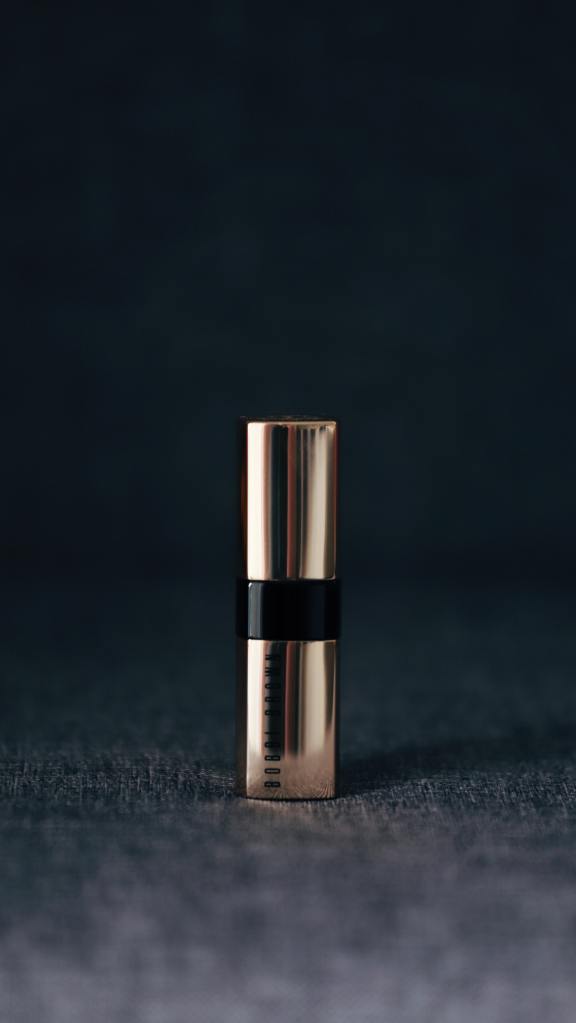
Maybe this partly explains why it was so believable that Kylie Jenner had made the Forbes billionaires list in 2019. Because the industry can only grow as consumers would never stop asking for more. There are other important costs of the makeup culture, including time, the most obvious. Studies show that the average woman spends two years of her life applying and removing makeup. There is also a whole a conversation about the health costs of using chemicals on the face. However, it is note-worthy to point out that you can make health arguments about almost any lifestyle in mainstream culture.
So, in spite of the potential psychological cost, financial cost, the time cost and the health cost, if most people who have advocated against “makeup oppression” still sometimes use it moderately, then maybe the real conversation, as earlier suggested, is really not whether someone uses makeup or not, but what to do about the risk that that users might be stuck on a toxic self-oppression lifestyle without even knowing. It may be fair to suggest a good option is to just simply walk away from it so you have no risk of getting stuck. But not everyone believes or would admit they’re stuck. Anyone can simply say they are not stuck in any culture. However, simply denying (even if sincerely) does not mean anything, just as saying “I’m not that drunk” is no good evidence of it. Sometimes it’s even good evidence that someone may actually be that drunk.
So, a good test may be to prove it for yourself by trying to go makeup free for a week or a month. But of course, that’s if you give a butterfly at all about what the results might be. But yeah, you could play a game and try staying off makeup to just see. And you should not just do it to see if you can do it, but do it while paying attention to how feels when you are doing it. Because anyone can go makeup free, if they tried hard enough or had a good motivation (like if it was a million dollar bet). But the way it feels while doing it, that is where the truth really hides. Maybe you will discover something more interesting about yourself. After all it’s not like you are giving up a lot in a short while (or are you?), you are only practicing some courage in showing your true self to the world to see what you can learn.

Many people have tried this game and discovered how much they were shackled without their knowledge and how hard it was to free themselves. It is worthwhile to keep in mind though that not everyone cares that they’re stuck in a culture that makes them feel great. But some naysayers believe simply feeling great is too shallow a reason for which to risk your psychological freedom. This might be why it’s understandable when some people decide to take makeup completely out of their lives. Maybe it’s not because they are close-minded “judges”. Maybe they have learnt enough humility to realize they cannot pretend to be invulnerable and dillydally with a culture that subtly steals their confidence and promotes an unhealthy self-obsession in them. What is not understandable is how some of such persons assume everyone should simply see what they see and agree with them.
So! What’s in face? Maybe a face is just a face, whether masked, painted, Snapchat filtered or plain. Or maybe the face you are willing to show the world says a lot more about you than about the face itself…. or not. After all, who knows what?
…and as always, let’s hear what you also think…

 Diaries Unread