
What’s in face?
Is a face simply just a face, whether masked, painted, Snapchat filtered or plain? Or could there be more going on than what is seen?
The never-ending conversation about makeup is one full of strong opinions, biased judgments, and sometimes self-contradictions. Almost no one presumes to have those magic answers to finally settle the conversation about a practice that has existed (before 4000 BC) across millennia and throughout diverse cultures in Africa, Europe, and Asia; even across the sexes. When conversations seem to spin around on an endless trail, it may be time to ask if whatever we are arguing about is what we should be arguing about at all in the first place.
Maybe navigating a complex subject as that of makeup, at this point, requires more questions than answers.

There is no doubt that believers on both sides of the conversation mostly agree that wearing makeup can augment physical facial appeal, which is generally thought to be the primary motivation for many. But it could be said also that there are times when some people appear like they could look better without it. And it does not really matter that there might be studies showing that men are more interested in women with less or no make-up, many women still seem to prefer makeup for the “color” (no pun) it brings to their appearance. After all, it goes without saying that women would have their own way, and not have their preferences be disproportionately determined by perspectives of men. Male attraction may be important in driving preference, but (of course) only for the individual who deems it so. Because there are diverse reasons why people wear makeup. Many women probably wear certain kinds of makeup as a work culture, for an occasion, as a hobby, or even out of sheer curiosity. None of these has much to do directly with a man. It could even be that sometimes, some women actually dress to impress other women and not men. “there usually seems to be an unspoken competition” in a room full of glammed-up women, even when there are no men”, a woman mentioned in conversation.
But The makeup conversation is not a female-only subject matter.
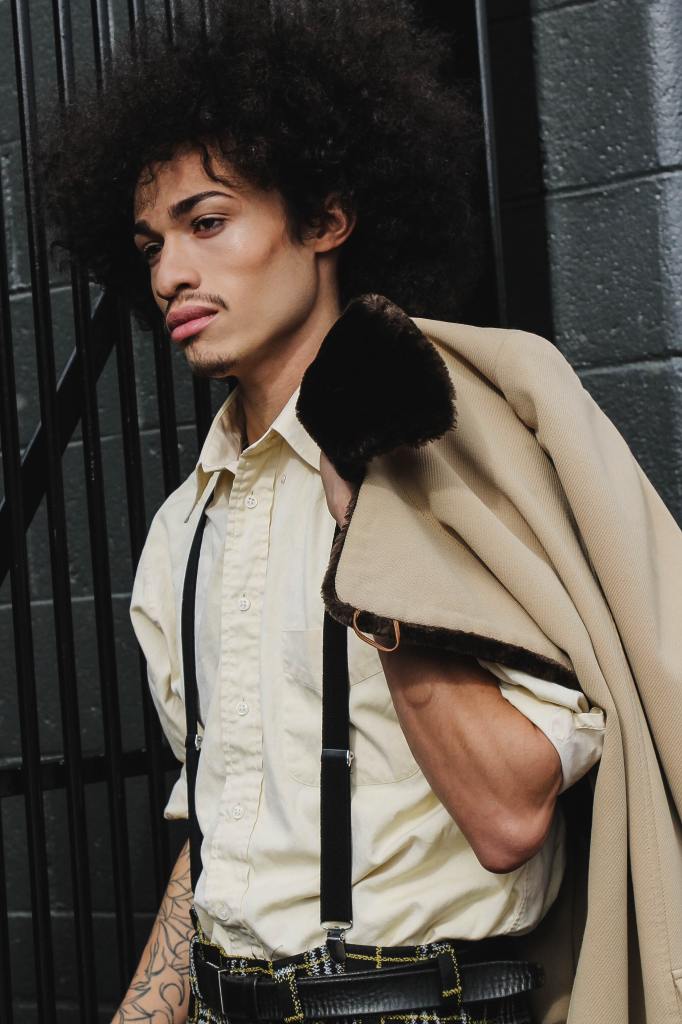
Men do wear makeup too, and it is becoming a growing trend again in the 21st century. “Again” because this is not new at all. Men wore makeup right from the very early stages of the culture in ancient Egypt, where many believe to be its origin. Men have worn makeup throughout different stages in history and cultures. So, no one gender is an absolute expert on the subject matter for all. Nonetheless, one would have to be living under a big rock, full-time to not notice that women today generally seem more invested in the makeup culture than men are.
Now let’s have the conversation
So, what is the conversation about makeup? We can approach it from how the makeup journey could have evolved for many. Let’s talk about Mel, a young girl in her early teens. She probably has noticed the makeup phenomenon, but only as something the older people do. With time, into her middle teens, it becomes a little bit of a wonder for her. Then one day she tries it for the first time; maybe out of sheer curiosity or because some special occasion warranted it. After some time, if she enjoyed her previous experience and received reactions, makeup becomes an intermittent go-to buddy for her. As she matures, makeup upgrades to become a constant menu item for every special occasion. It now becomes a daily practice, until, finally, it takes the stage as a firmly grounded part the Mel’s preferred look in public.
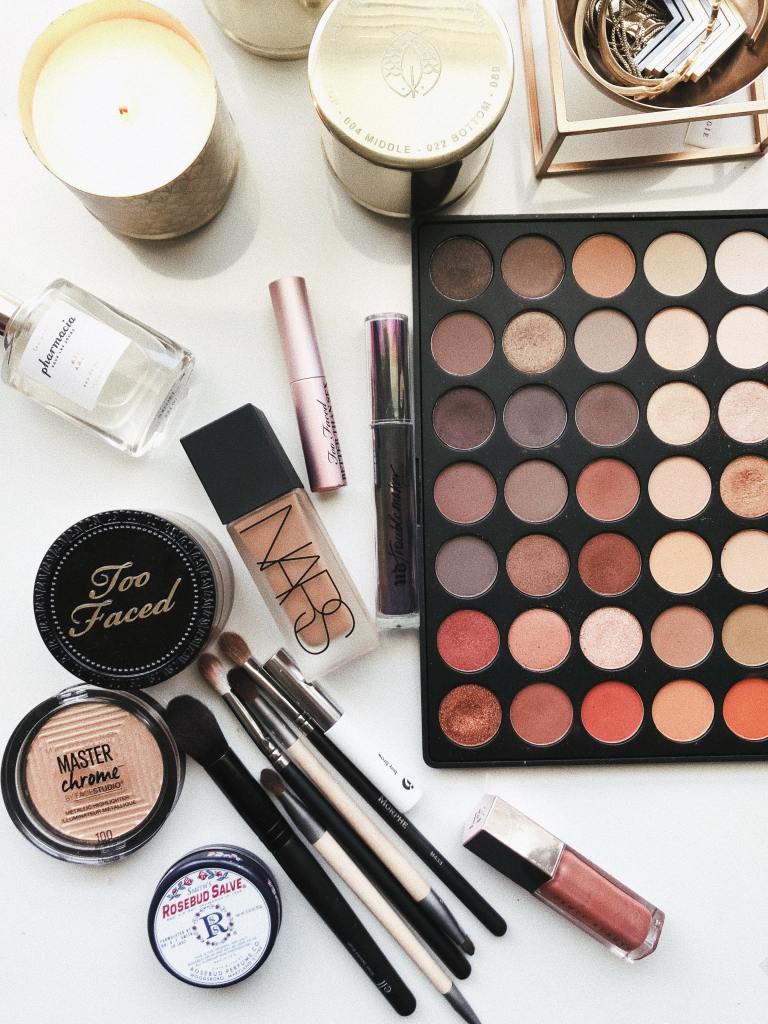
Then what started as only a sheer curiosity evolves to become a necessity. And sometimes eventually a grave need.
The Debate

This is where the debate begins for many people. Because when makeup becomes an essential element in a person’s preferred look in public, it seems to gradually grow to become an indispensable need. This, as it is argued, seems to lead to a person feeling a little (or a lot) insecure about their natural look without makeup. “You feel a little bit exposed without it” as recounted by a woman in conversation. “You feel like you could do better with at least, a few touches than just to go bare face”. In some instances, it can feel almost as terrible “as if you were naked”. It is as if the real natural person is no longer enough. There are celebrities and popular people online who seem to feel the need to apologize if they show up online with no makeup on. So they do (usually very nonchalantly) apologize for showing up in their natural selves and later go right ahead to motivate their fans and followers to unapologetically “be yourself”, seeming to have no self-awareness with regards to the apparent irony, if it is at all.
This sense of feeling incomplete without makeup is what has been deemed as unhealthy by many, and has probably triggered a wave of revolution (interestingly by mostly women) against the psychological “oppression” by the culture in recent years. The least of it not being Alicia Keys’ courageous move to “tell it as she sees it”. You could say she did put her face where her mouth is when she showed up on stage at the 2016 MTV music video awards with no makeup. She’s not the only one. There seems to be a whole movement pushing back on the makeup cultural “oppression”.
There is a sea of videos made by women on YouTube about why they do not wear makeup anymore.
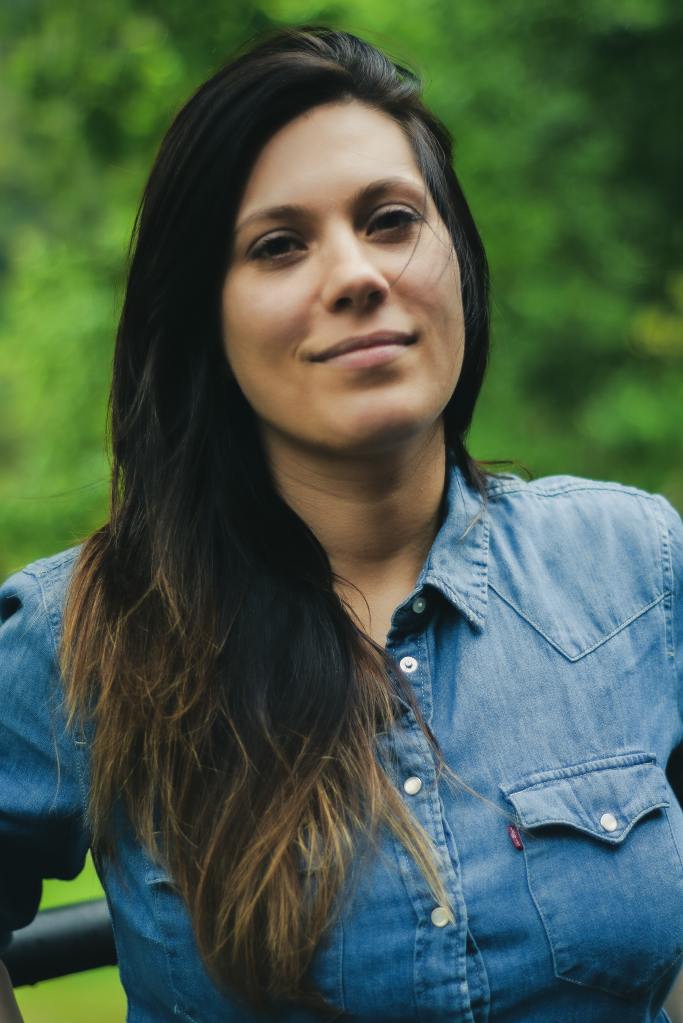
However, there is something you notice about many of these videos. They typically begin by making it clear they are not actually against makeup per se. It sometimes seems as if there is a little trepidation that they might be misunderstood on that point. So, they usually go like “this is just my personal preference, I am not against makeup, and you should do whatever you want”; which is probably what everyone was doing anyway before they ever saw their video. It is understandable though, why they would frame their message that way. First, they are right, they cannot “impose” their personal preference on everyone else. But also, maybe they are being careful not to come across as judgmental or close-minded. And this might have something to do with how the makeup debate seems to have been usually framed. The debate seems to sound like a question of “to use or not to use”. So, if you make a video telling the world why you don’t use makeup and how this decision has helped your life, you can easily come off as being on the “NOT” side of the debate, and so you’re telling everyone else that they would be better if they did not use any makeup, even if that is not what you intend to suggest. This is why it may be good to redefine what the question of contention could be for a more meaningful and realistic conversation.
Maybe the question is not about whether makeup is good or bad, but how people can lay hold of the culture instead of the culture laying hold of them.
Most women who caption their stories of “why I don’t use makeup anymore” generally sound like they should be calling it “why I don’t use makeup like the way I used to” instead. Because some of these women do say they still occasionally apply some blush or lip gloss and sometimes even mascara if they choose to. And they do admit they could still wear full makeup for certain special occasions in the future if they wanted to. These disclosures do not seem self-contradictory for anyone who pays attention to the details of their full message. But anyone could still ask, so, what’s their point then, if they still wear a little bit of makeup after all? What has changed then, if they would still use it any time they wish? Apparently, what has changed for these women is not the fact of their use of makeup, but their relationship with the makeup culture. They now seem to have now laid hold of the culture, instead of the culture laying hold of them; if their stories are true.
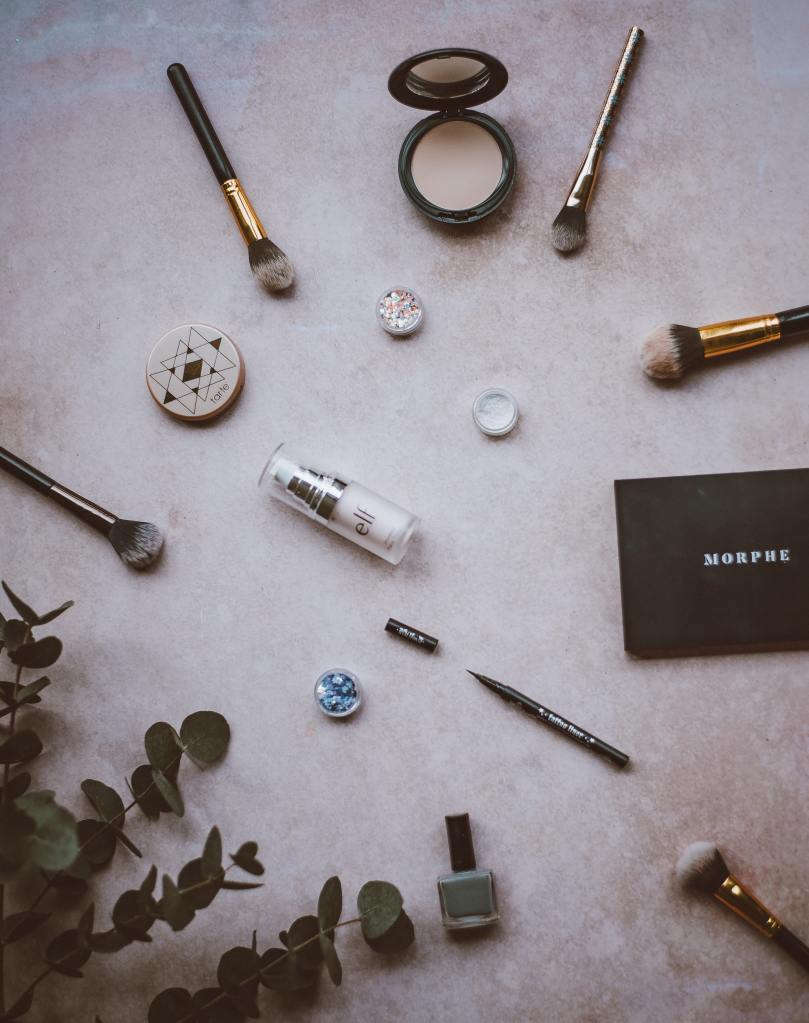
You cannot be in a healthy relationship with a behavior unless you can let go of it at will. And you cannot let go of it unless you are the one laying hold of it.
These women can now choose (as they say) to walk around anywhere with a bare face and not feel “naked” or insecure. But a person might still wonder “why shillyshally with a culture that you believe can potentially oppress your mind? Why not just simply cancel it?”
Well maybe it’s because, it turns out makeup is not just a fancy extra adornment. There is more utility to it if you think about it. This is captured in Part 2 of this piece here: What’s in a Face – Part 2
…and as always, let us know what you also think…

 Diaries Unread