You’ve probably seen one of those movies.
A character you like endures so much suffering, or meets their death in a way you did not enjoy.
You suddenly feel tears gathering under your eyes uninvited and getting ready to roll without your permission. Then it turns out it’s not at all over even after the movie ends. It all keeps coming back to you and grief takes over your soul for a day or two. It can, sometimes, even end up shaping your perspective about life. Something inside of you seems to be reacting to the memory of the movie as if it was not “just a movie”. What’s happening?
The power of stories sometimes can go much deeper than we might expect a made-up narrative to go. It may even be worse if you find out that it’s actually a true story.
So the suffering or death of one person disturbed your mood for days, or even gave birth to your new philosophy for life. However, It’s not like this was your first time. You see people die in movies all the time. Sometimes multiple people die in minutes, you watch and you don’t even blink. Yeah, you, maybe, would prefer they didn’t die. Perhaps their deaths moved you a little. But it sure didn’t stir your soul like that of a character you loved. Why does this happen?
How do people who make movies decide whom we should mourn for days, and whom we should just be a little sad for within less than an hour?
Without pretending to play expert in any sense in the ways of movie-making or storytelling, we can at least think of one thing that could account for the differences in the depth of emotional responses to different movie characters. It appears, if you are meant to form an emotional bond with a character, what the story teller sometimes does is to first introduce them to you in a noteworthy way. This gets your attention. Then they get you to know these characters deeper by each frame. The more you know them, the deeper you understand them. The deeper you understand them, the better you connect with them, and the more likely your connection would grow to become something like a bond. A bond that seems to break through the fourth wall into your very soul.
Sometimes a character becomes your friend, or at worst someone you hope would not just die in the story. The interesting part of this is, you can experience this digital emotional bond even about villains. When you know and understand villains well enough, even if you think they must die to keep the world a happy place, a part of you still wishes they would become better and not have to die. So, what does all this mean?
Well, it seems to suggest a hypothesis:
The more you come to understand about a person’s inner story, the less passionate you are to hate on them; even if they’re the “bad guy”
Liking, or at least, understanding a Villain is a rare thing. They’re usually meant to be disliked. We probably develop our absolute dislike for our villains because of how intentional storytellers are, about the way they present them. They show us the evil prospects of this villain to create enough bias for us to accept the story line, so that when these villains lose in the end, we’re entertained! and not disturbed. And as you would know, storytelling or movie making is not only an art but also a business. The movie is a product meant to satisfy the customers who will watch it. So giving a villain a sad satisfying end seems like a good selling point. Even though not all the time. Therefore it would seem reasonable to imagine that the psychology of the intended audience (customers) probably also informs the narrative. It’s like how people gossip with a predetermined narrative frame so their listeners (customers) would go along with their conclusions about the villains in their gossip.
Story tellers and movie makers usually don’t seem to go too far to present a villain’s narrative to make them simply look evil enough (without any iffy reflections from the audience). This may be why when a storyteller is courageous enough to go far deeper to present a villain who positively appeals to our empathy, or at least our sympathy, we appreciate the meaning in the story in a way we probably never come to fully understand. This might mean if story-tellers told you enough about your regular most-hated villains: their past, their struggles and how they came to be whatever they are now, you would, at worst, feel some pity for them. It does seem like the more attention you pay to a complete, deeper and balanced picture of a character, the less likely you are to indulge pure hate for them.
No one was ever born as a baby with a sinister smile, two horns, a red pointy tail, and a pitchfork in their tiny hands ready to claim a first victim. Everyone has an origin story of some sort
What does this mean? There is at least something these realizations might serve to teach us about people, and more particularly people whom we deem as “villains” in our lives. This is explored deeper in part two of this piece here: Diary of a bleeding villain – Part 2
…and of course, these are mere THOUGHTS IN PROGRESS. So as always, do share yours too; let’s hear your perspective…

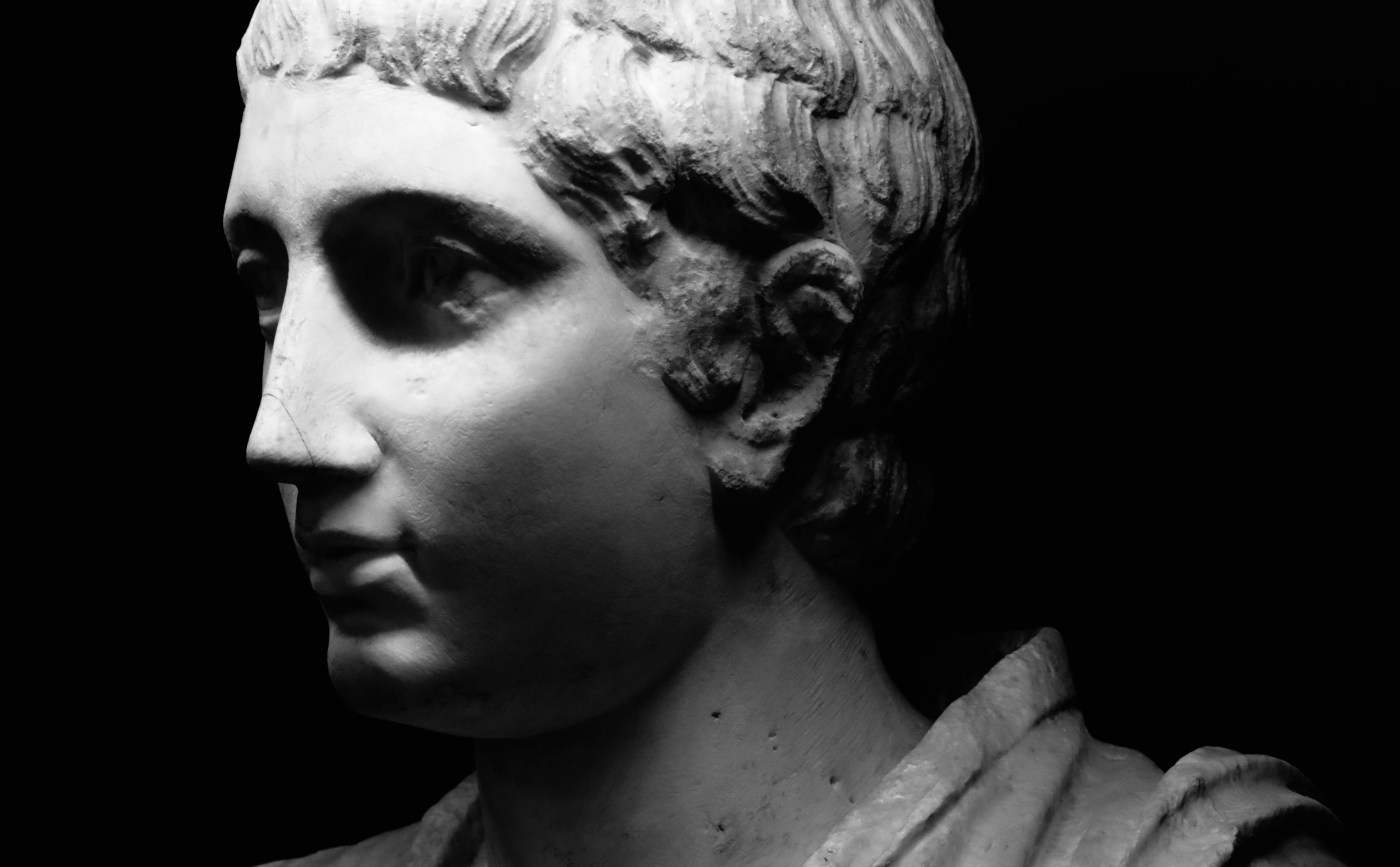
Cover Photo by Simone Pellegrini on Unsplash

 Diaries Unread