
(This is the second of a two-part piece. If you have not read the first, you can find it here: Diary of bleeding villain -Part 1)
The first part of this conversation attempts to understand why movies make us cry and what it might mean for the (so perceived) villains in movies and in our lives. It hypothesizes that the more you come to understand about a person’s inner story, the less passionate you are to hate on them; even if they’re indeed the “bad guy”. It doesn’t mean you don’t think they’re bad, but you can at least see why they would turn that bad.
There’s an interesting psychology study that might have nothing to do with villains, but oddly enough seems related to this villain theory. The study, published in 2014, is about what has been called “Compassion Fade”. The study suggests that people are willing to give more toward a charity cause when they are shown a photo of a single needy child with a name and a unique story, than when these same people are shown multiple cases of needy children. It was concluded that the compassion of potential donors seemed to “fade” with increasing cases of needy children. It seems intuitive to have expected more compassion with more children. Yet the results showed the opposite.
From the results of this study, it appears the only thing the brain could do with an increased number of children is to process enough logic to realize an increased need, but not generate enough compassion to cause a commensurate willful response to donate. It was explained that multiple cases only meant less focus on unique deeper stories behind each child. These suggest that the more personalized and limited the scope of attention is, the deeper the impression goes. This outcome seems consistent with the earlier thought about story characters : that the deeper you know them, the more you are likely to care what happens to them. Or at least the less passionate you are to see their misery.
So, what might all this mean? Maybe it means something for how we relate to people every day. People we meet, interact, work or live with. Our minds project certain personae on these people, maybe based on what we’ve heard or experienced of them. In our minds, some are heroes, some are villains, and others, somewhere on the spectrum.
It feels easy to think the villains in our lives deserve all the “hate” we give them. Well, maybe they do, or not; who really knows?
But perhaps if they got all the bad luck we ever hoped on them, we may eventually end up not being too proud that we ever imagined so much on them. Let’s say maybe we might stumble on their lost diary one day. A diary of their secret inner thoughts, aims and struggles that pierces through the persona form we thought we knew into a deeper multiple-dimensional person. And we might come to know and understand them well enough, in a way that would make us grieve that we ever disliked them so much.
But of course, we probably would never stumble on some lost secret diary. And we may never know all that is going on with people, or all that has happened to them that shaped them to be whatever villain we think they are. But certainly there is an untold story about them. Because no one was ever born a villain with their baby-tiny red horns and a cute little pointy tail. The villains in our lives usually have untold prequels that could inform our better judgments if we ever knew of them. Which is why, while we justify and fuel our dislike for whoever we judge as a “bad person”, we should at least be humble about our confidence in a timeless invariability of our opinions and impressions of them.
This is life! and everyone meets their nexus event in one way or the other that could shape them somehow toward villainy. Yeah, you could argue “people are responsible for how they respond to their own struggle”, and maybe that’s fair.
But you never know what it could do for even the worst of us, if they were triggered by the thought that someone actually cared enough to reconsider their bias toward them, in spite of their obviously hate-worthy way of life
You never know how people may be affected by the thought that someone actually looked beyond their overt acts, and dared to imagine the possibility that there might be some scintilla of good oil within them, worthy at least of some curiosity; that someone thought to ascribe a little respect to them enough to pursue to know more about them than to simply conclude on them.
They might not even be seeking to escape condemnation or responsibility. But we still cannot know what such realizations might do to their thoughts. Perhaps the hate they receive has only been feeding their villainy the more, which, in turn, is only bringing more hate on them; creating a never-ending and ever-enlarging snowball of a villain. Maybe it’s safe to suggest, society somehow has a hand in creating its own villains, which it never takes responsibility for, but is the first to point out, call out and condemn them.
If only our judgments and condemnations aimed to redeem more than to destroy.
Because the person you dislike may not be all that they appear to be. And whatever else they are, might be worthy of uplifting and not destroying altogether. So when you say you don’t like a person, maybe what you really don’t like is the form of the persona you have projected in your own story about them.
But they are more than your story about them. You’re dealing with a complete and complex being, not just a single-dimensional character. It might be safe so say, that we usually don’t know or understand people well enough to decide they truly deserve all the hate we give them. If the projection from the earlier mentioned psychology study unto movie characters is any legit at all, then maybe we should always consider if our villain has a story to tell, even if they give us all the worst vibes. Not a story to justify their sins, but maybe a story that calls out for help! Maybe they hide it in themselves, and continue in their flawed business because, just as they probably predicted, Nobody actually gives a butterfly! about any potential good in them, so why should they also care?
But if you care enough to withhold your urge to strike your villain with the mental dislike button and instead show them grace or kindness, they probably will notice it.
Your action or inaction might just trigger reflections in their thoughts toward their path to redemption. And even if your villains are so pitiful enough to only misread and despise your kindness as a weakness. You still gain much knowing that while you’re striving in controlling your urges of hate, you yourself might be taking your own journey of redemption from your flawed nature without even being aware.
Everybody needs some rescuing; all of us! a more reason why we should always reflect on our own redemption of character while we’re giving our so perceived “villains” all the dislike we think they deserve. Maybe we are the villain too, who knows?. And the ones we think are such, perhaps they act the way they do because they’re secretly bleeding! Maybe what they need is Help! not Hate.
…and of course, these are mere THOUGHTS IN PROGRESS. So as always, do share yours too; let’s hear your perspective…

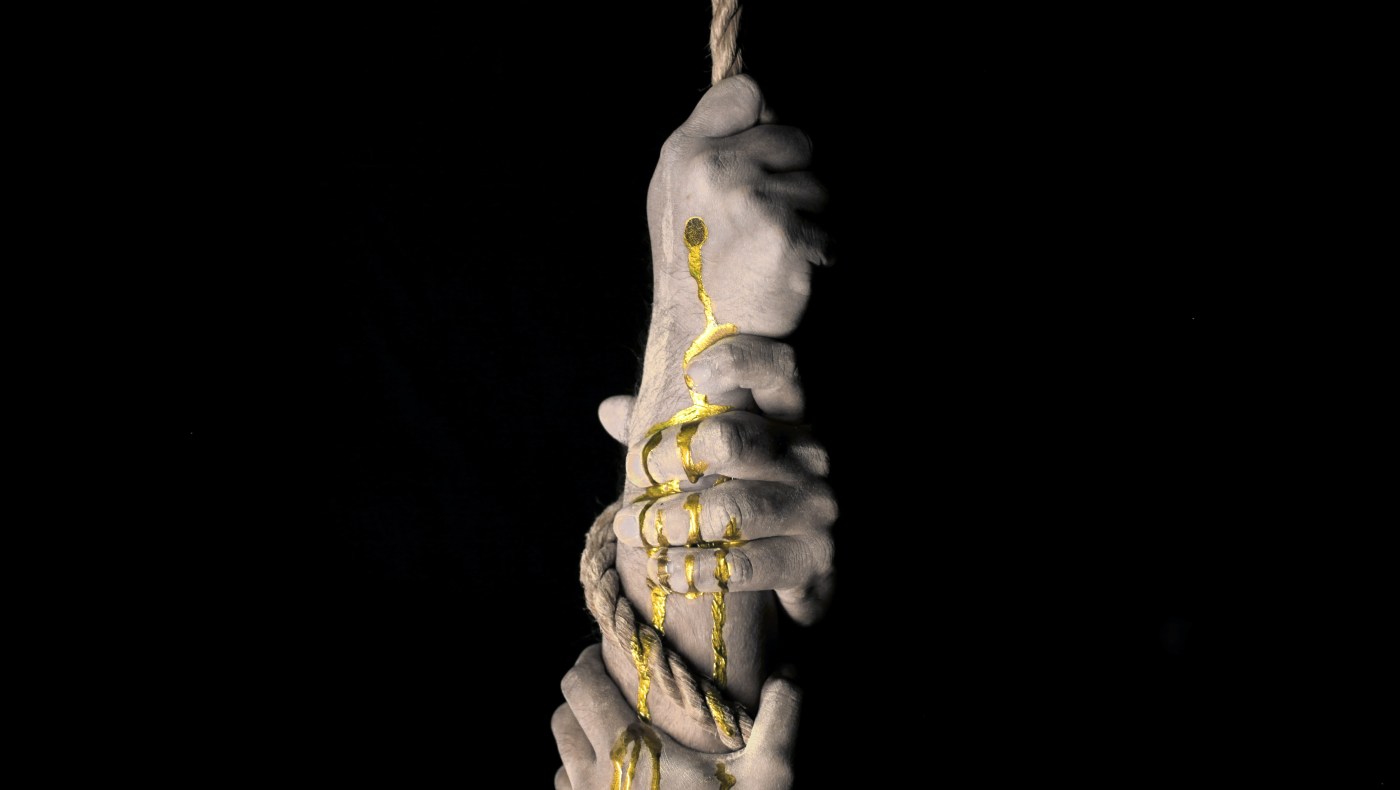
Cover Photo by Daniel Curran on Unsplash

 Diaries Unread
Maybe we are the villain too, who knows? This part is too true. Thanks Twumasi for sharing.
LikeLiked by 1 person